RCB and RR sale lifts IPL brand value to $4.3 billion, media rights could double by 2032
Houlihan Lokey's latest Indian Premier League valuation study, dated 29 July 2026, puts the league's overall business value at $20.6 billion — an 11.4 percent year-on-year rise — and its brand value at $4.3 billion, up 10.3 percent. The study attributes the move to the pending sales of Royal Challengers Bengaluru and Rajasthan Royals, and projects the 2028–32 media-rights cycle could grow 80 to 100 percent over the current ₹48,390 crore deal.
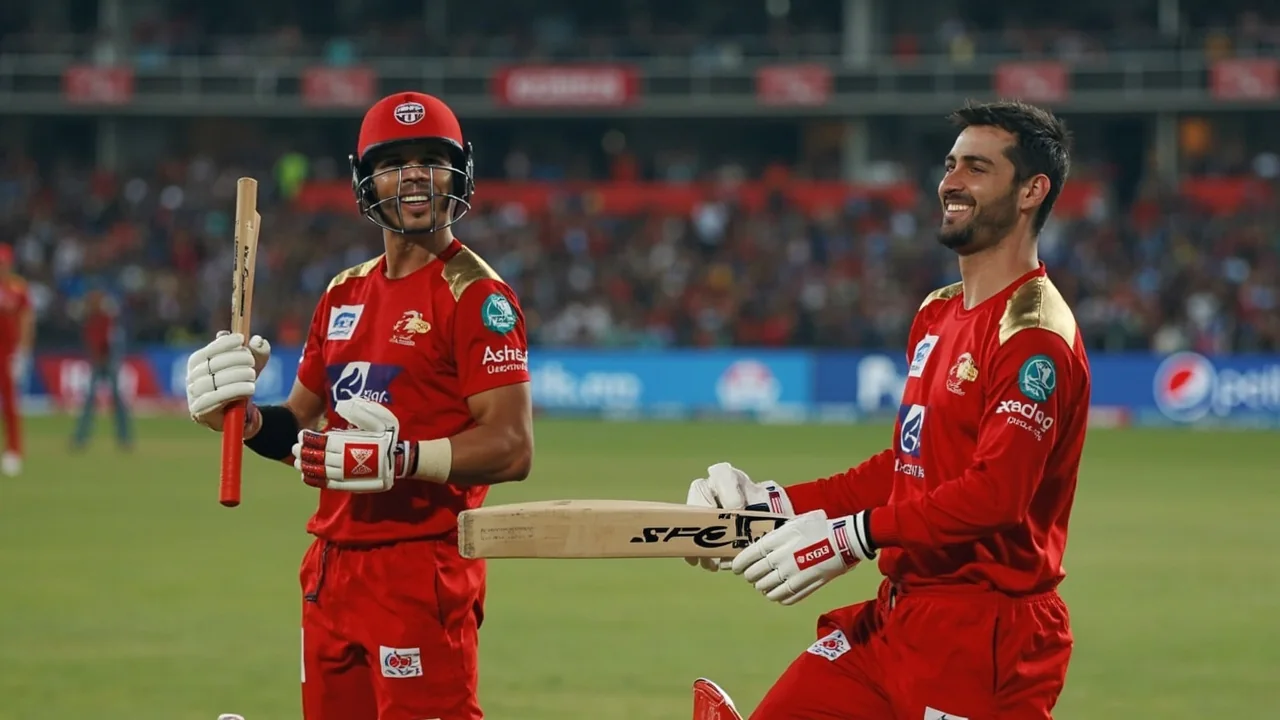
Lead: Two franchise sales have redrawn the IPL's value curve
The pending sales of Royal Challengers Bengaluru and Rajasthan Royals have pushed the Indian Premier League's business value to $20.6 billion, a jump of 11.4 percent, and its standalone brand value to $4.3 billion, up 10.3 percent, according to a Houlihan Lokey valuation study reported by Hindustan Times on 29 July 2026. The combined sale value of the two franchises — $3.43 billion — exceeds the $1.69 billion that Lucknow Super Giants and Gujarat Titans together fetched when the league expanded in 2021.
What changed between then and now is not just the headline number but the buyer mix. RCB's new ownership consortium is led by the Aditya Birla Group and includes David Blitzer and Blackstone. Blitzer's Bolt Ventures already holds stakes in franchises across all five major North American leagues — the NBA, NFL, MLB, NHL and Crystal Palace in the English Premier League — and the IPL franchise is his first combined holding of that kind in the same sports market. Rajasthan Royals, separately, has been bought by a Lakshmi Mittal-led group that has taken a 75 percent controlling stake, with Adar Poonawalla holding the remaining 18 percent of the reported purchase.
RCB's sale alone is valued at $1.78 billion — nearly double the roughly $900 million that the Torrent Group paid for a majority stake in Gujarat Titans in February 2025. The Houlihan Lokey study, which is the independent reference document for both sales, attributes the rise in business and brand value to those two transactions and to the expectation of a stronger media-rights auction when the current five-year cycle ends after IPL 2027.
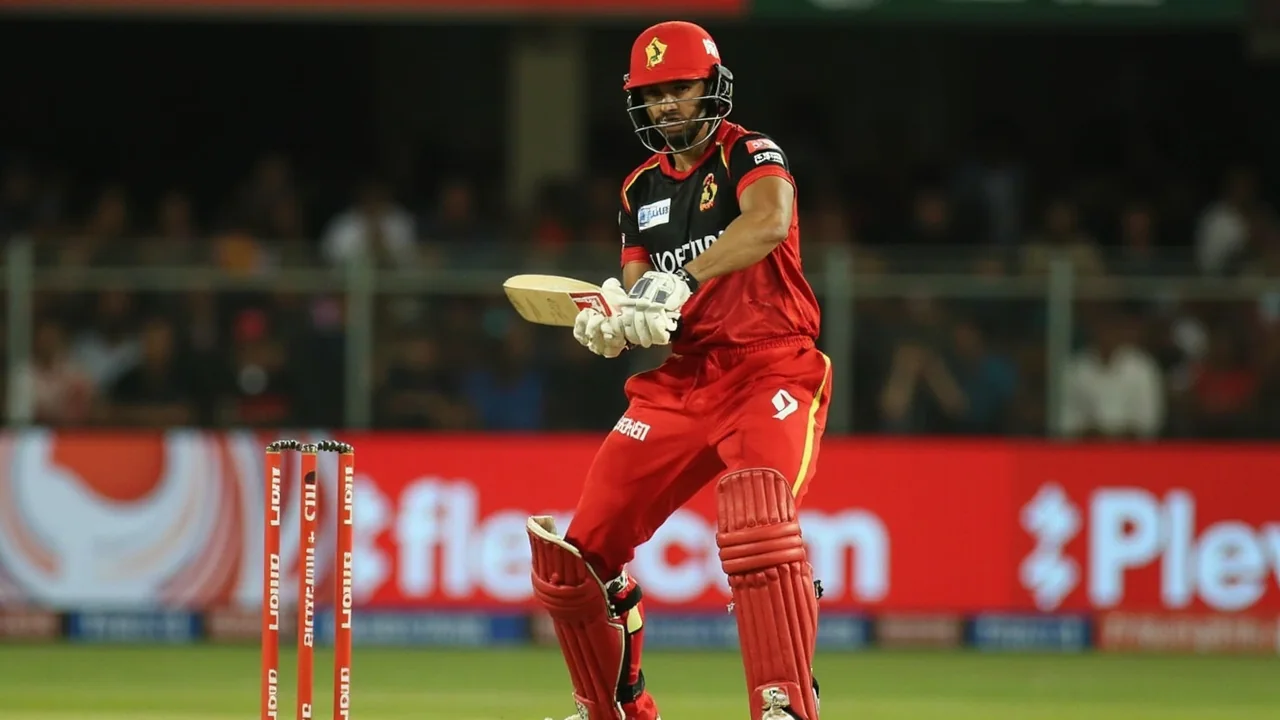
What the new buyers actually bring to the IPL
The Aditya Birla–Blitzer–Blackstone consortium that is taking over Royal Challengers Bengaluru is the most cross-border IPL ownership group assembled so far. Aditya Birla Group brings Indian retail, financial-services and lifestyle distribution; Blackstone brings capital-markets structuring and a track record in sports investment through the Premier League, La Liga and Major League Baseball; Blitzer brings his portfolio of five North American league stakes, which is the closest comparison to what a multi-league sports investor looks like in 2026.
Rajasthan Royals, by contrast, is the test of whether an Indian industrial family with no previous franchise-sport history can run an existing IPL brand. Lakshmi Mittal's 75 percent stake is the controlling block; Adar Poonawalla's 18 percent is the operational block, given Poonawalla's existing media and consumer-business reach. The remaining 7 percent has not been disclosed in the report.
The practical question for fantasy readers is whether the new money translates into better squads. The Houlihan Lokey study is a valuation document, not a squad-building forecast, but the franchise desks at baj999 treat ownership continuity as one of three filters — alongside purse availability and head-coach retention — when projecting playing-XI stability. The next retention window is the end-of-season cut, and the new owners' public statements on purse size will be the first reading.
The Cross-League Sport Investment Footprint, in particular, changes how future broadcast negotiations sit with investors. A buyer who already sits inside five North American league tables is a buyer who has seen how collective-bargaining negotiations, salary caps and media-rights renewals move in mature markets. The IPL governing council's media-rights terms for the 2028–32 cycle will be drafted with that buyer profile in the room.
Why the next media-rights cycle could nearly double
The current IPL media-rights cycle is locked until IPL 2027, after which the next five-year cycle begins. The Houlihan Lokey study projects that cycle could grow by 80 to 100 percent over the current ₹48,390 crore deal — a number that, in absolute terms, would take the league's broadcast and digital-rights envelope to roughly ₹87,000–96,800 crore over five years if the upper end of the range materialises. That is the figure the study's authors arrive at by comparing the new franchise valuations against the existing media-rights base and against the bid depth in the major global sports markets.
The study names DAZN, Amazon Prime Video, YouTube, Netflix and Apple TV+ as potential bidders for the 2028 cycle. The breadth of that list is itself a piece of news — five years ago the live-bidder list for Indian sports was dominated by one Indian broadcaster and one global pay-TV operator; the 2028 cycle will be the first IPL auction in which the credible bidder list spans digital-only global streamers, traditional sports broadcasters and tech-platform buyers with first-party sports rights ambitions.
The study also flags a near-term cooling factor. The JioHotstar consolidation — the merger of Viacom18's JioCinema and Disney+ Hotstar under the Reliance–Disney joint venture — has, the Houlihan Lokey authors write, temporarily reduced auction tension by concentrating the digital-bidding market into a single entity. The reading on the desk is that this concentration is the reason the 2023–27 cycle closed below some of the more aggressive 2028 projections; it is also the reason the 2028 cycle is expected to be the first IPL auction where a non-traditional buyer could end up holding the digital rights.
For fantasy players, the media-rights structure does not directly change the lock-in decision on a given match day. It does change the league's commercial ceiling, which in turn changes franchise purse size over a multi-year window, which in turn changes the squad depth that shows up on the playing-XI list. The Houlihan Lokey reading is that purse size for the 2029 mega-auction cycle could move materially higher than the 2025 cycle if the 80–100 percent projection holds.
RCB on top, Chennai slipping, the field behind
The Houlihan Lokey franchise-by-franchise rankings place Royal Challengers Bengaluru at the top of both the brand-value and the business-value tables, ahead of Mumbai Indians and Kolkata Knight Riders. Chennai Super Kings have slipped to No. 4 on brand value — behind RCB, Mumbai Indians and Kolkata Knight Riders — after a run of poor on-field showings and the limited match presence of MS Dhoni.
The reading on the desk is that the Chennai slippage is a brand-value fact more than a business-value fact. CSK's match-day attendance, social-following growth and sponsor retention have all stayed strong — the franchise is still one of the most consistently monetised IPL brands — but the headline brand-value read is being pulled by on-field results and by the absence of Dhoni's nightly finishing role. The 2027 mega-auction cycle, which will be the first IPL auction in which Dhoni's retention decision is fully open, will be a separate brand-value event from this one.
RCB's rise, by contrast, is driven by the on-field title in 2026 — the file-photo caption in the Hindustan Times piece shows RCB players celebrating the title in Ahmedabad, with the franchise described as "two-times defending champions" — and by the depth of the new ownership consortium. The combination of a strong 2026 squad result and a buyer group that can sustain an above-average purse in the next auction cycle is, in Houlihan Lokey's framework, the formula that closes the gap between brand value and business value.
For fantasy readers who follow the franchise desks, the brand-value ranking matters less than the on-field product. RCB's 2026 title run, the continued presence of senior Indian players at the top of the order, and the depth of the all-round unit are the on-field reads that show up in the lock-in data; the brand-value ranking is the off-field read that points to which franchises will spend in the 2027 mini-auction window and the 2029 mega-auction cycle.
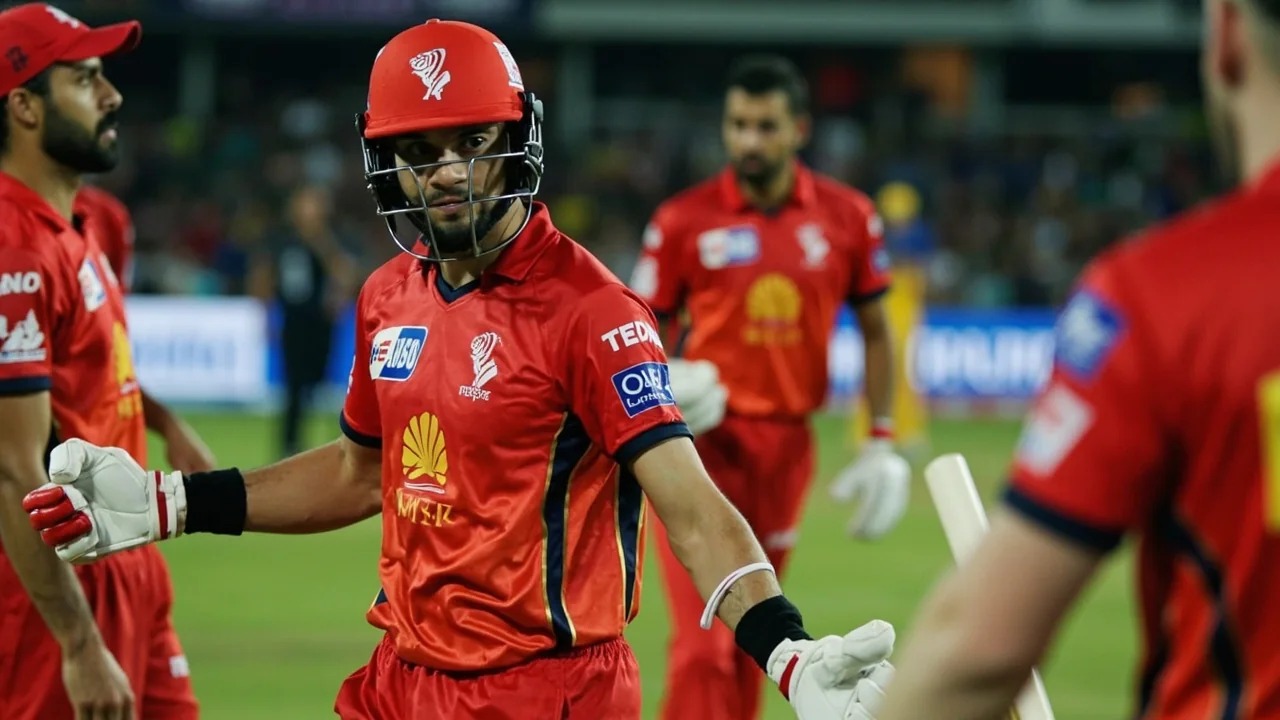
Three verified reads going into the next valuation window
First, the closing of the RCB and RR transactions. The Houlihan Lokey study treats the valuations as "pending" because the consortium formations have been reported but the regulatory clearances and final purchase-price filings are still to be completed. The study will move from "pending" to "completed" once the BCCI receives the formal ownership transfer documents. The next published Houlihan Lokey read will carry those completed numbers.
Second, the JioHotstar consolidation's effect on the 2028 media-rights auction. The study flags the merger as the near-term cooling factor; the question is whether the consolidated entity bids alone, partners with a global streamer, or sits out the digital bid entirely and lets the cycle clear in a non-traditional buyer's hands. The reading on the desk is that this question will be answered by the bidder-list disclosure the BCCI publishes ahead of the 2028 auction window.
Third, the on-field follow-through. The RCB title in 2026 is the single biggest on-field data point in the Houlihan Lokey model. If RCB defend in 2027 — or reach the final — the franchise's brand-value position strengthens further and the consortium's commercial case for an above-average purse in the 2029 cycle becomes easier to make. If RCB fall away in 2027, the brand-value position is unchanged but the auction-room narrative shifts.
The next IPL mega-auction window is scheduled after the 2027 season. The RCB and RR ownership transitions, the JioHotstar consolidation and the 2028 media-rights auction are the three commercial events that sit between the 2026 title run and that auction window — and the Houlihan Lokey study, which is the independent reference document for the whole set, will be re-issued as each event lands.
For fantasy readers, the practical read is to keep tracking the IPL 2026 desk for the on-field data — confirmed XIs, captaincy notes, training-ground reads — and to treat the Houlihan Lokey study as the off-field reference that frames the auction cycle that the on-field play will eventually feed into.
Where the verified facts came from
The factual record for this report was assembled from the Hindustan Times article "RCB, RR sale boosts IPL brand value, media rights to double says study," bylined to Rasesh Mandani, dated 29 July 2026, datelined Mumbai. The 11.4 percent rise in business value to $20.6 billion, the 10.3 percent rise in brand value to $4.3 billion, the $3.43 billion combined RCB and RR sale value, the $1.78 billion RCB valuation, the Aditya Birla–Blitzer–Blackstone consortium composition, the Lakshmi Mittal–Adar Poonawalla stake split in RR, the 80–100 percent projection for the 2028–32 media-rights cycle, the ₹48,390 crore current cycle value, the JioHotstar consolidation note, and the franchise-by-franchise brand-value ranking are all from the Hindustan Times piece as cited.
The David Blitzer portfolio across the NBA, NFL, MLB, NHL and Crystal Palace (EPL) is drawn from the same Hindustan Times piece, which describes the IPL franchise as his first combined holding across all five major North American leagues. The $900 million Torrent Group stake in Gujarat Titans is the same source. The RCB "two-times defending champions" reference is taken from the file-photo caption in the Hindustan Times piece, which shows RCB players celebrating the title in Ahmedabad after IPL 2026.
The franchise-by-franchise implications for the 2027 mini-auction and the 2029 mega-auction cycle are editorial reads by the baj999 desk, based on the commercial figures reported in the Houlihan Lokey study and on the on-field reads logged at the IPL 2026 desk. They are published here as analysis, not as sourced facts.